Why Crucible?
“Fire tries gold, misfortune tries brave men.” Seneca, Of providence
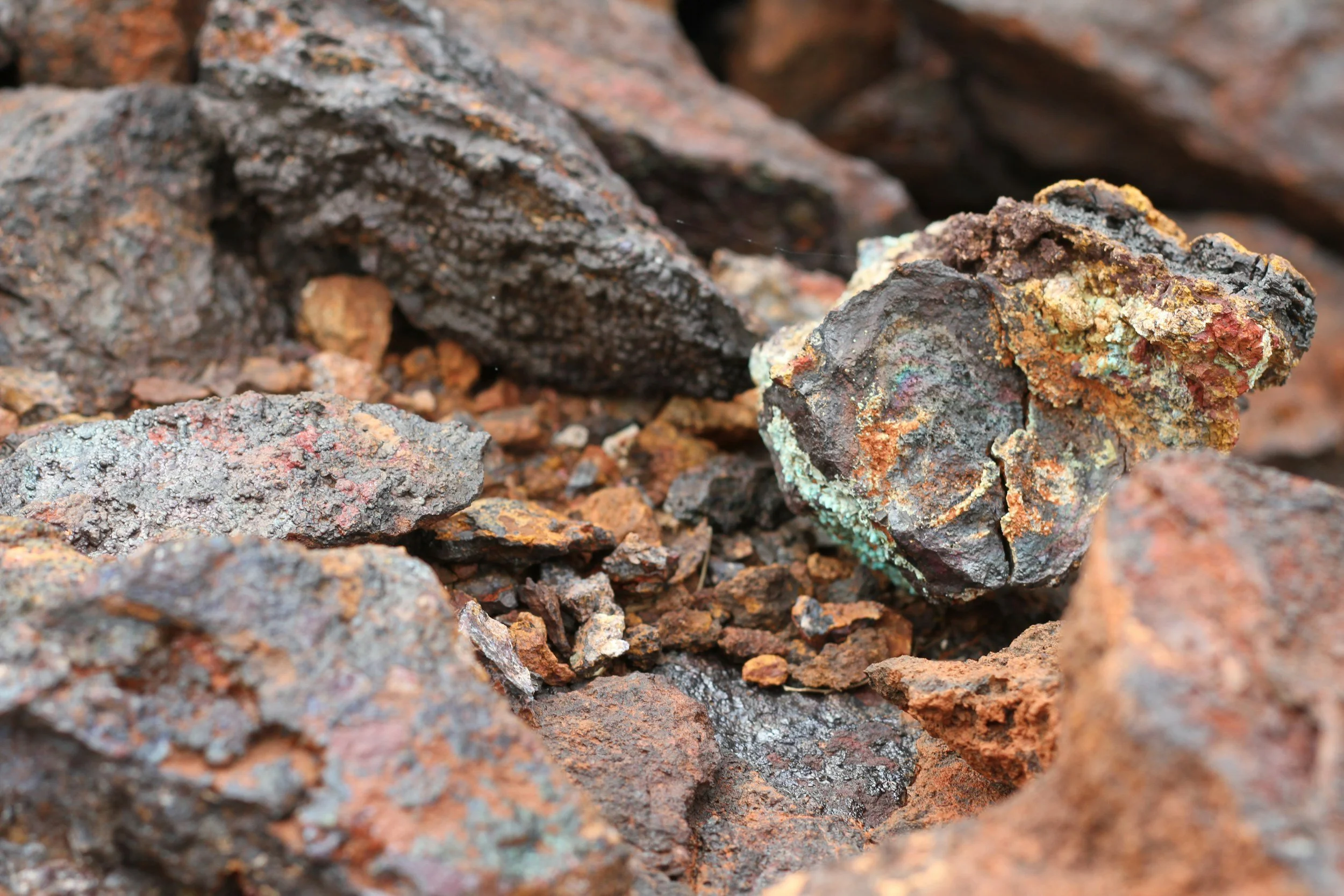
In the beginning, what is brought to the forge is not a finished blade. It is ore, dug from the earth, rough, heavy, mixed with stone, dirt, and fragments that do not yet reveal their value. In the same way, people often come to counselling carrying pain, confusion, fear, grief, and old wounds, leaving them feeling tangled or buried. What they bring may seem shapeless, but that does not mean that it is worthless. It means that the work of discovery has not yet been done.
The first task is not to force the ore into the shape of a sword, but to recognise that something precious is hidden within it. Counselling begins here: with careful attention, curiosity and respect. The counsellor does not create the metal, it is already there. They, instead, help uncover what has been buried beneath a lifetime of survival, shame, trauma, or self-doubt.
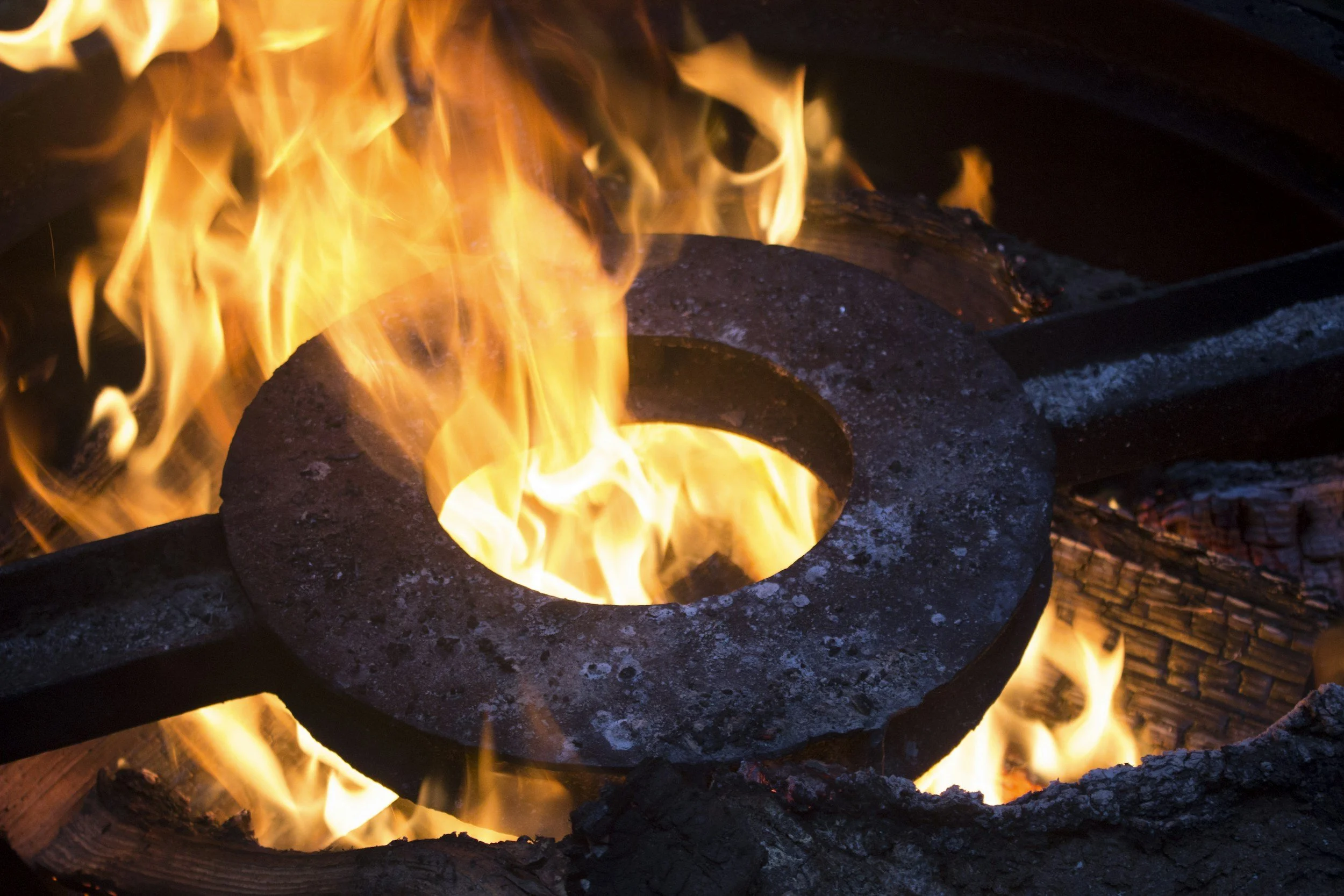
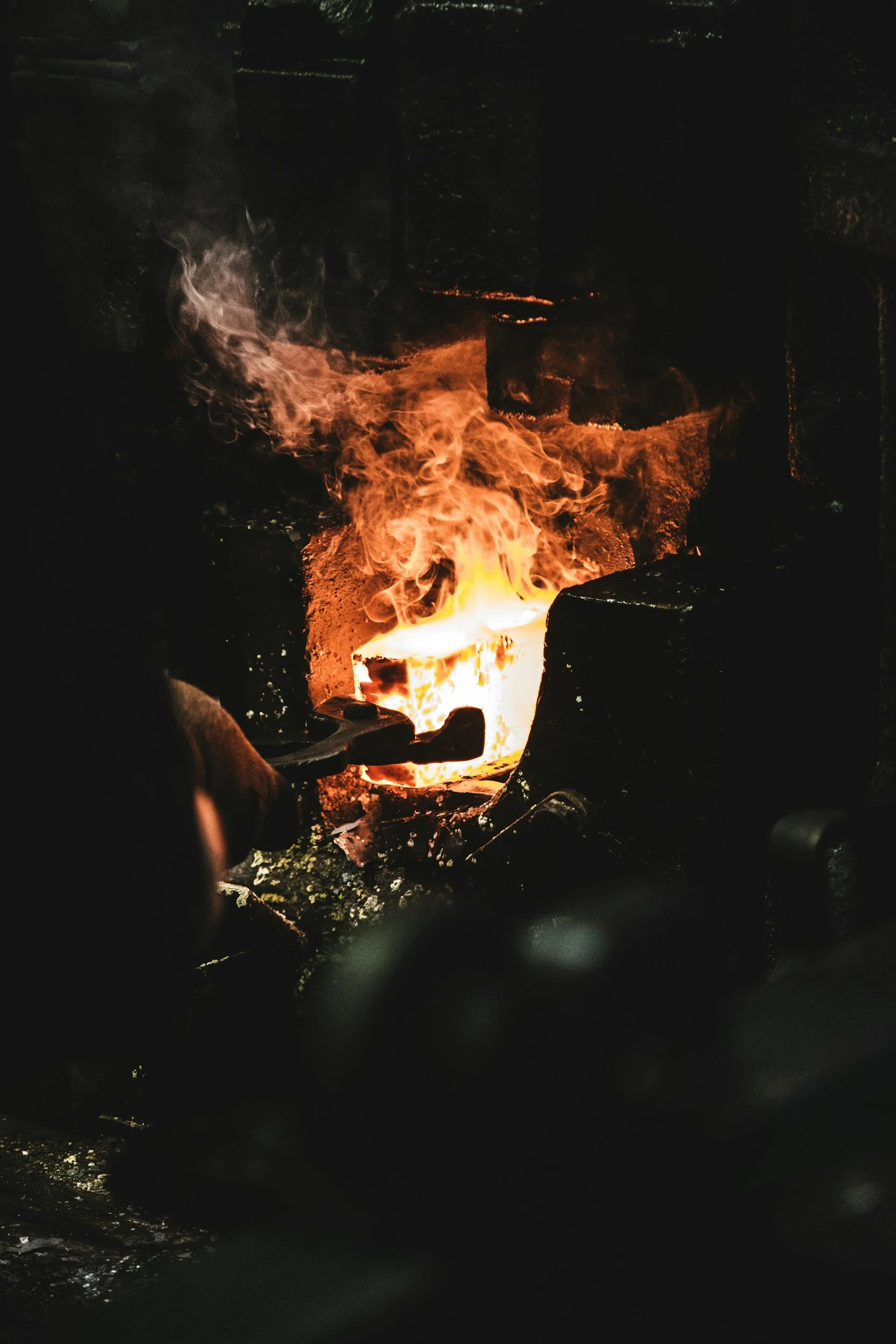
Next comes the furnace. Ore must be exposed to heat so that what is useful can be separated from what is not. This is often what counselling feels like. Painful or difficult memories and emotions, long-avoided truths, rise to the surface. Heat can feel uncomfortable, sometimes even confronting, but it is not destruction for its own sake. It is a transformation. Under the right conditions, the fire does not consume the person; it reveals them.
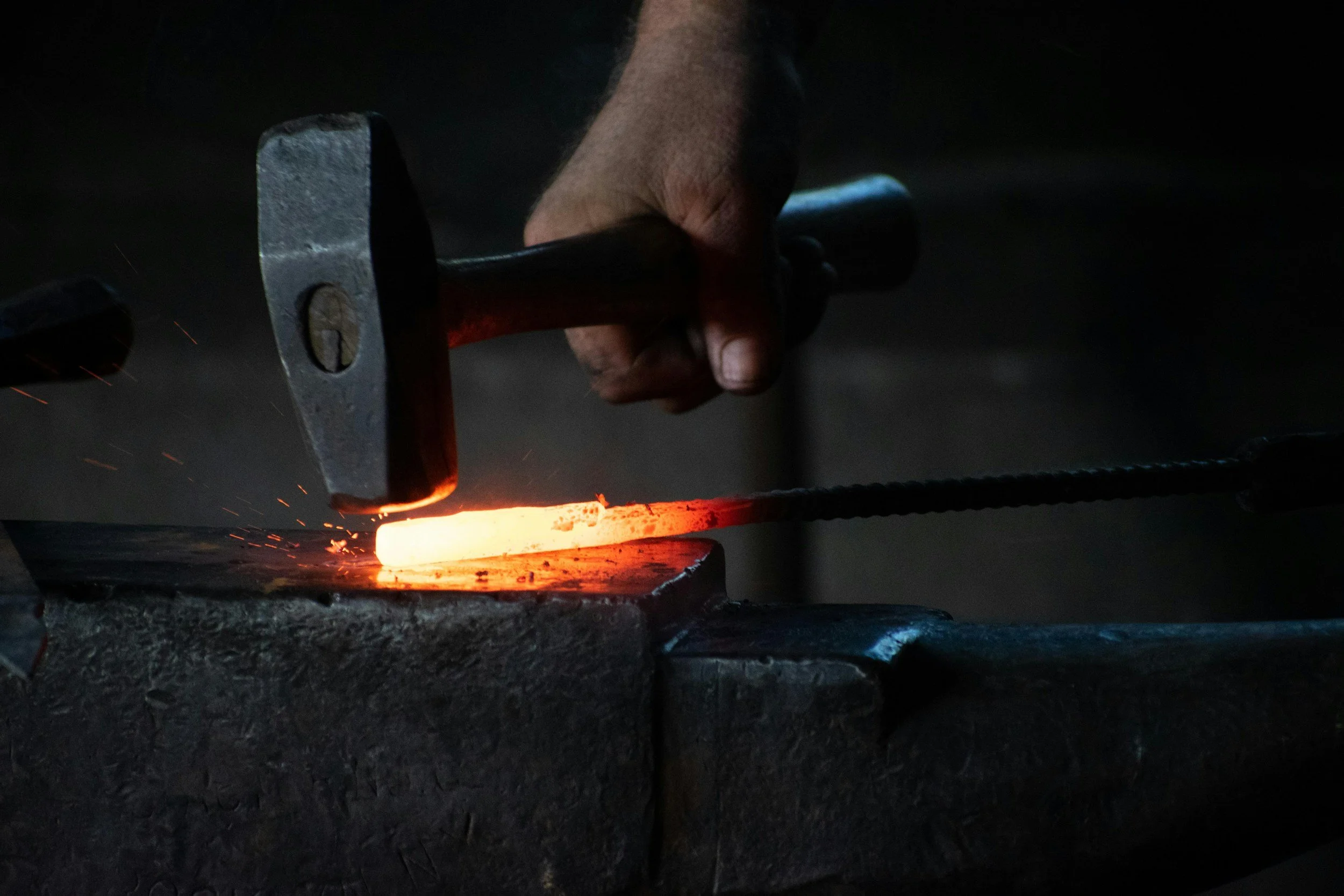
From here, the metal is refined and shaped. A sword is not formed in a single strike, but through repeated heating, hammering, folding, and testing. So too in counselling, growth rarely happens all at once. Patterns are revisited. Old beliefs are challenged. New ways of understanding are tried, strengthened, and refined. There are setbacks, pauses, and moments where the process feels slow. But each return to the work adds strength, flexibility, and integrity.
Importantly, the hammer is not violent. In counselling, it represents deliberate work: reflection, honesty, courage, and practice. The counsellor does not beat the client into shape; they work alongside them, helping to apply pressure in the right places. and at the right time. Too much force harms, too little doesn’t progress. Good counselling, like good smithing, requires skill and patience.
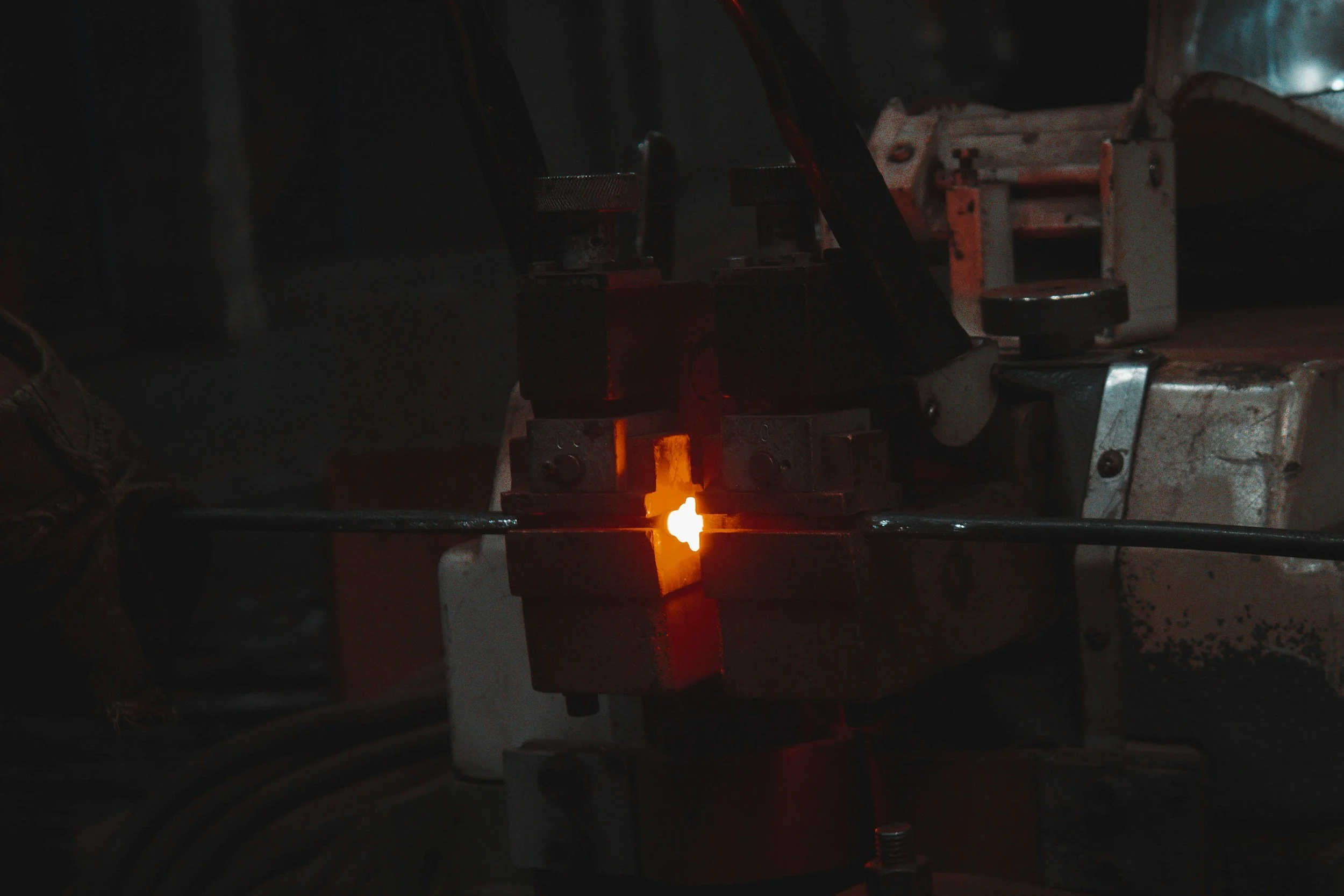
Then comes tempering. A blade that is only hard but untempered is fragile; it may be sharp, but the edge can chip, or the sword may snap under pressure. Tempering gives resilience. In the same way, counselling is not just about becoming stronger or more functional. It is about being able to bend without breaking, to hold pain without being ruled by it, and to move through life with greater balance.
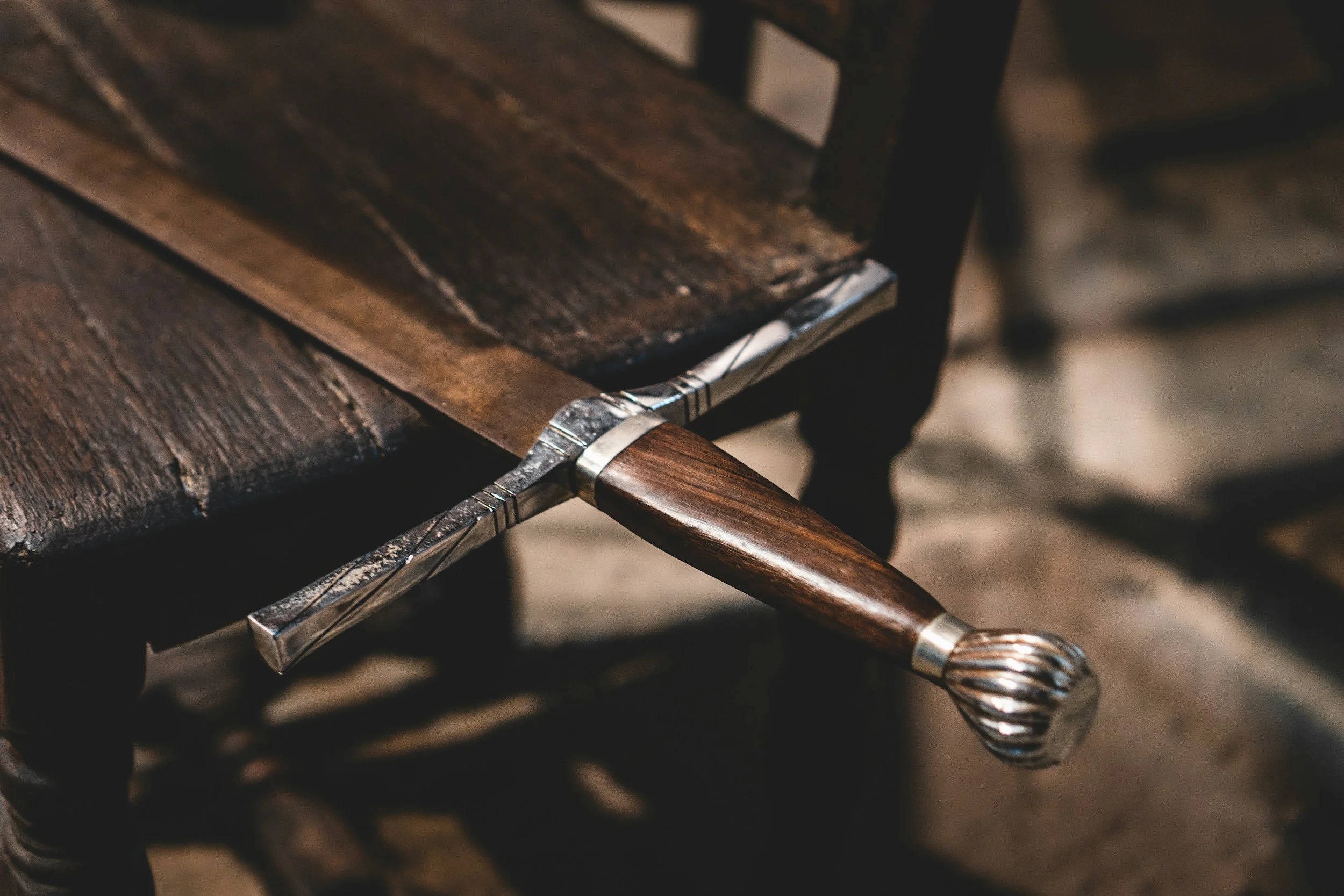
By the end of the process, the sword is valuable, not because it has never known fire, pressure, or friction. Its value comes from having passed through them and being transformed. Its strength comes not from avoiding hardship, but from what has been forged through it.
And this is the heart of counselling; Not forcing someone into something they were never meant to be, but helping draw out what was already there, refining it, strengthening it, and helping to build something purposeful. The goal is not perfection; the goal is integrity: a life that can be held with steadiness and intention.